Solar and wind
Calm coverage of photovoltaics, self-consumption and onshore and offshore wind farms in Spain.
A report on the 2030 carbon-footprint goals and renewable energy. Caplenovira gathers verified information on the energy transition in the Iberian peninsula: solar panels, wind farms, green hydrogen and precision agriculture. A calm read to understand where sustainable development is heading.
Clean energy, a stronger Spain
Caplenovira approaches the sustainable transition through three complementary perspectives.
Calm coverage of photovoltaics, self-consumption and onshore and offshore wind farms in Spain.
Sensors, satellite imagery and traditional agronomy at the service of water and soil Protection.
Accessible readings of public reports to support the Development of a shared environmental culture.
Caplenovira editorial team · Updated in 2026 · Reading time · 9 minutes
The planet is going through climate shifts unseen in recent memory. Longer heat waves, persistent droughts and irregular rainfall test Mediterranean ecosystems. Understanding this phenomenon is the first step towards informed decisions on the Protection of our land.
The Iberian peninsula is one of the European regions most exposed to rising temperatures. For that reason, citizens, regional governments and research centres have driven adaptation plans based on open data, satellite observation and citizen participation.
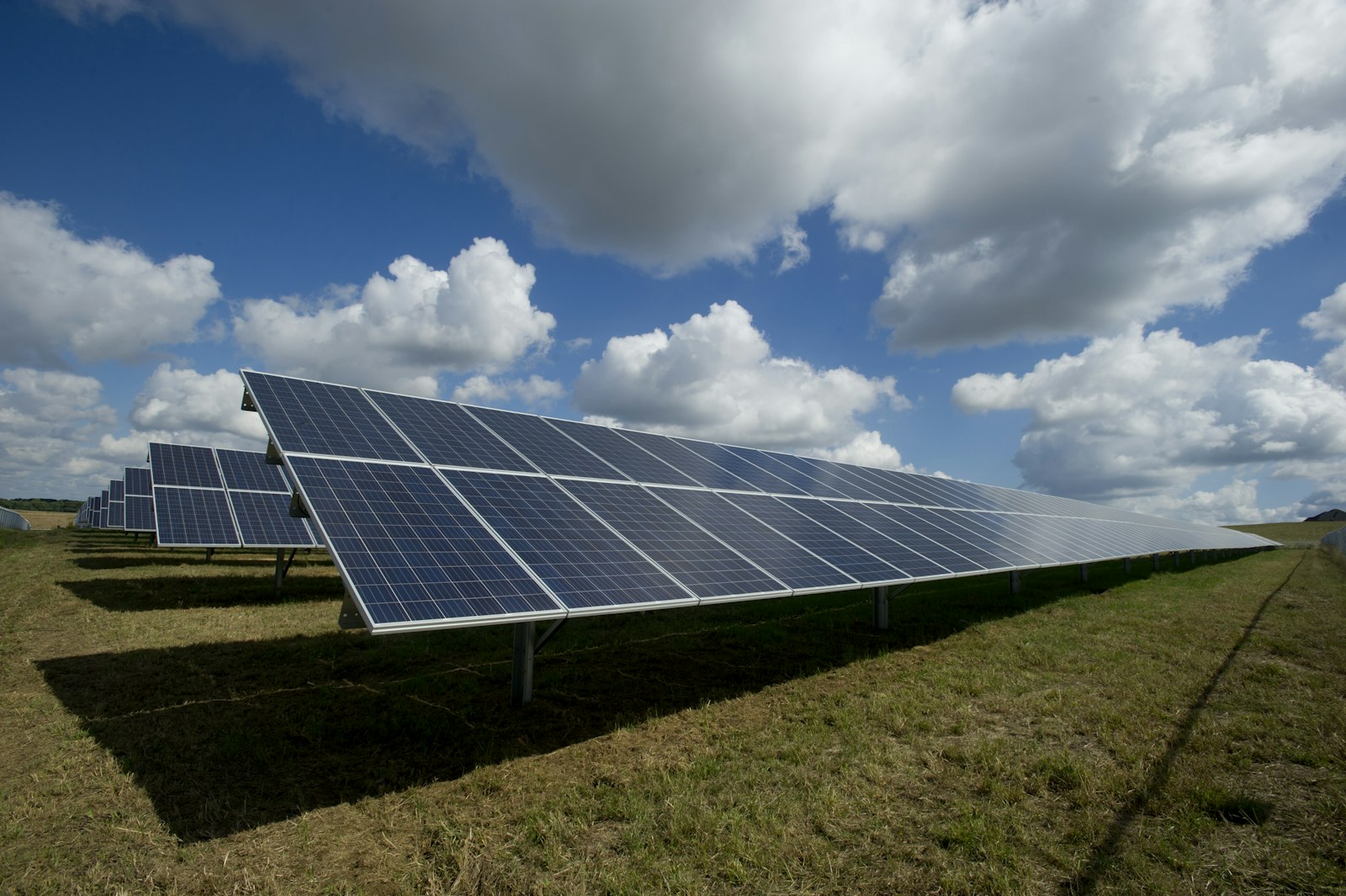
Spain enjoys an extraordinary natural resource: more than 2,500 hours of sun a year across much of the country. This makes photovoltaic energy a key piece in the Development of the energy mix. Spanish energy companies — referenced in general terms only — are reorienting their capacity toward renewable sources.
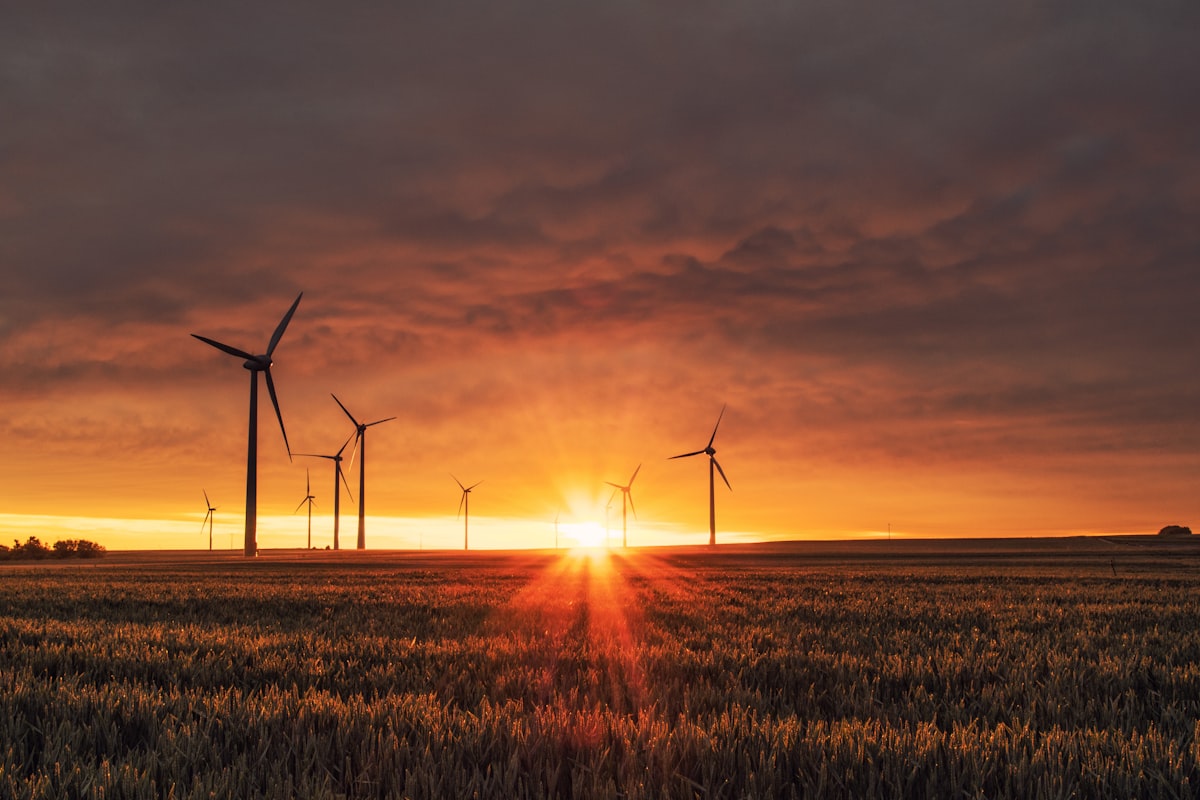
Autonomous communities are moving forward with shared self-consumption, local energy communities and offshore wind farms. The national strategy aims for 81% renewable electricity generation by 2030, a target oriented toward the shared Future of the whole of society.
Green hydrogen, produced through electrolysis with renewable electricity, completes this ecosystem. Its development enables the decarbonisation of heavy industry, freight transport and maritime mobility in the medium term.
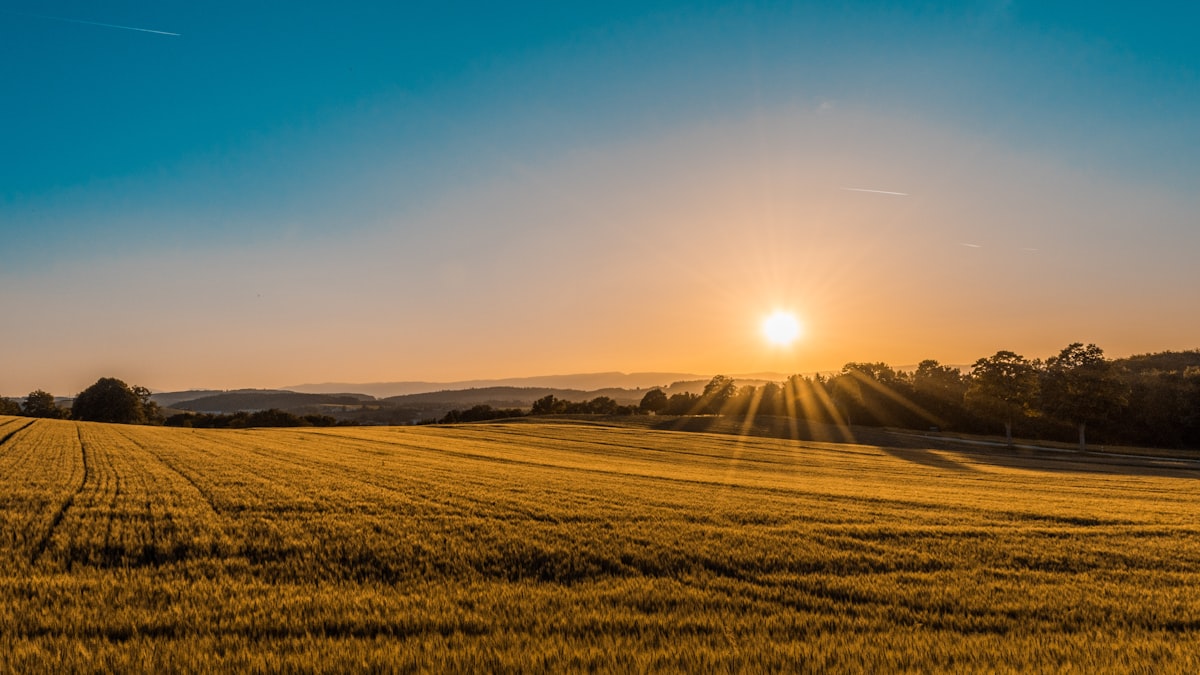
So-called Agriculture 5.0 combines soil sensors, satellite imagery and open algorithms to optimise water use. In regions such as Almería, Murcia or Castilla-La Mancha, drip irrigation paired with vegetal cover reduces evaporation and protects the biodiversity of the subsoil.
The conservation of native varieties, the strengthening of climate insurance for farmers and continuous training for rural communities are three pillars of sustainable rural Development. Caplenovira gathers public reports to bring these advances closer to general readers.
Looking to the Future with data and serenity: that is the proposal of this independent publication. A stronger Spain is built with shared knowledge, not with haste or alarm.
Each Friday you receive a calm summary on clean energy, sustainable agriculture and progress in the Protection of Spain's natural environment. No alarmism, no promises.
We use strictly necessary cookies and, with your permission, analytical cookies to understand how Caplenovira is read. We do not sell data to third parties. You can change your choice at any time from the Cookie Policy. More information.